How a storage tank heats and holds water
A tank water heater keeps 40 to 50 gallons of water hot around the clock. Cold water enters through a dip tube that carries it to the bottom of the tank, where a gas burner or electric elements heat it. Hot water rises and leaves from the top. When you run a long shower, the tank slowly fills with cold water from below until the hot supply runs out and the heater has to catch up.
Tanks are simple, familiar and easy to swap. Most Salem homes already have the venting, gas line or electrical circuit in place for one, so replacing a tank with a tank is usually a one-day job. In Salem, a 40 to 50 gallon tank installed typically runs $1,790 to $3,480, depending on fuel type, venting and how hard the old unit is to reach.
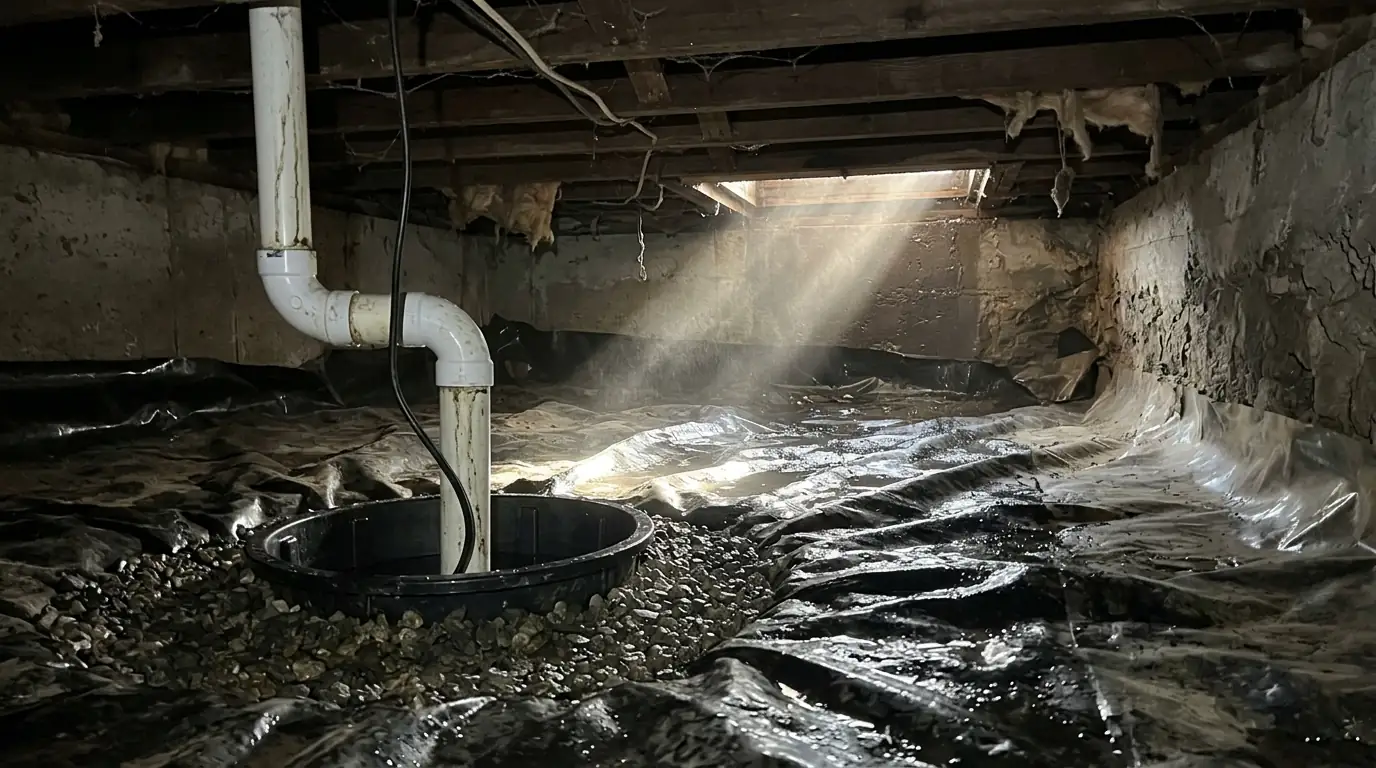
The tradeoff is standby heat. A tank spends energy keeping water hot when nobody is using it, and the tank itself wears out over time as the steel inside corrodes. When the lining finally fails, a tank tends to leak from the bottom with little warning, which is why a heater in a garage should sit in a drain pan and a heater in a crawlspace deserves a look every so often.
How a tankless unit makes hot water on demand
A tankless unit has no reservoir. When you open a hot tap, a flow sensor detects the water moving and fires a burner or electric elements that heat the water as it passes through a heat exchanger. As long as the flow stays within what the unit can handle, the hot water keeps coming without running out.
The limit is flow rate, not volume. A tankless heater is rated for how many gallons per minute it can heat by a given amount. Two showers and the dishwasher at once might be fine for a large unit and too much for a small one, and the colder the incoming water in a Salem January, the harder the unit has to work. Sizing for winter water temperature matters.
Tankless installation in Salem typically runs $3,890 to $7,450. The higher end usually reflects a bigger gas line, new venting through a wall or roof, or relocating the unit. A tankless unit has no tank to rust through, but its heat exchanger, sensors and burner still wear, and the electronics need power to run, so it will not make hot water during an outage.
Space, venting and gas lines in a Salem house
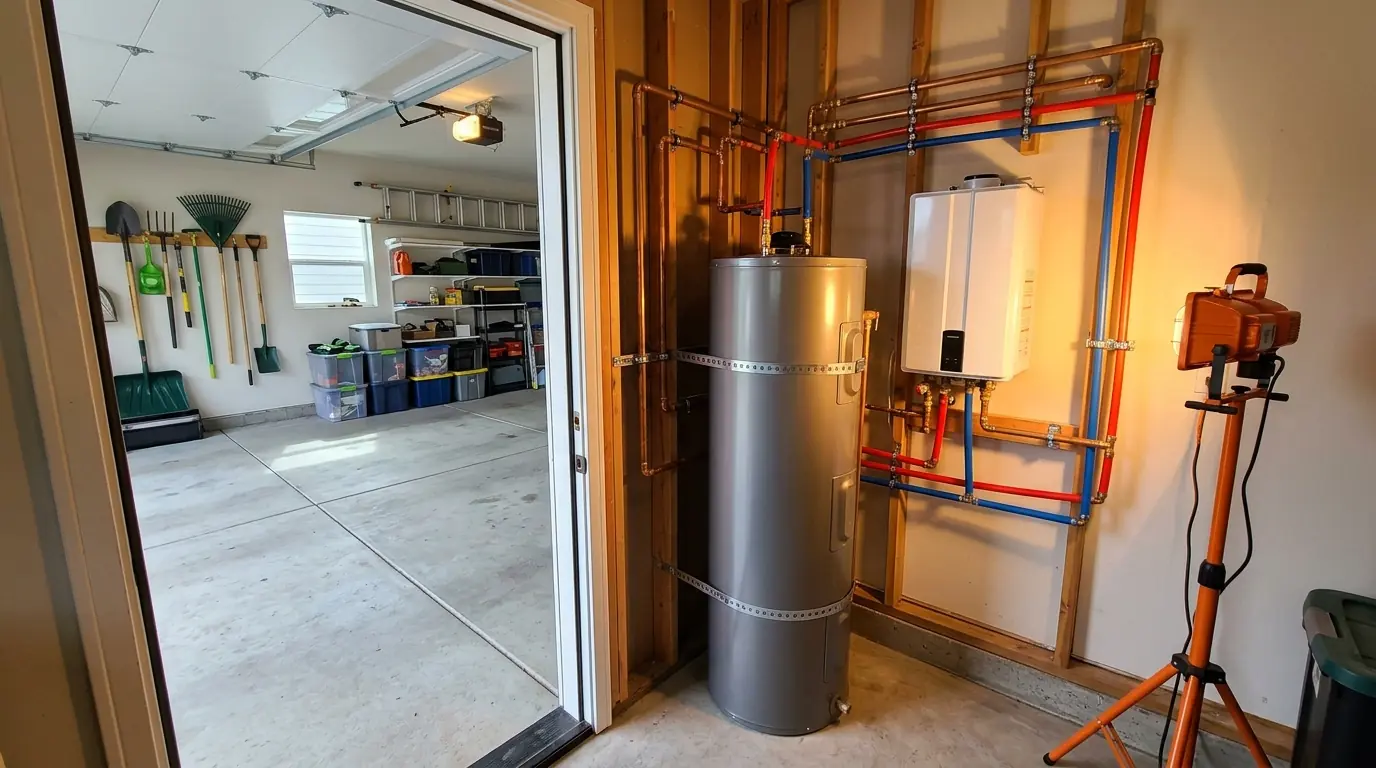
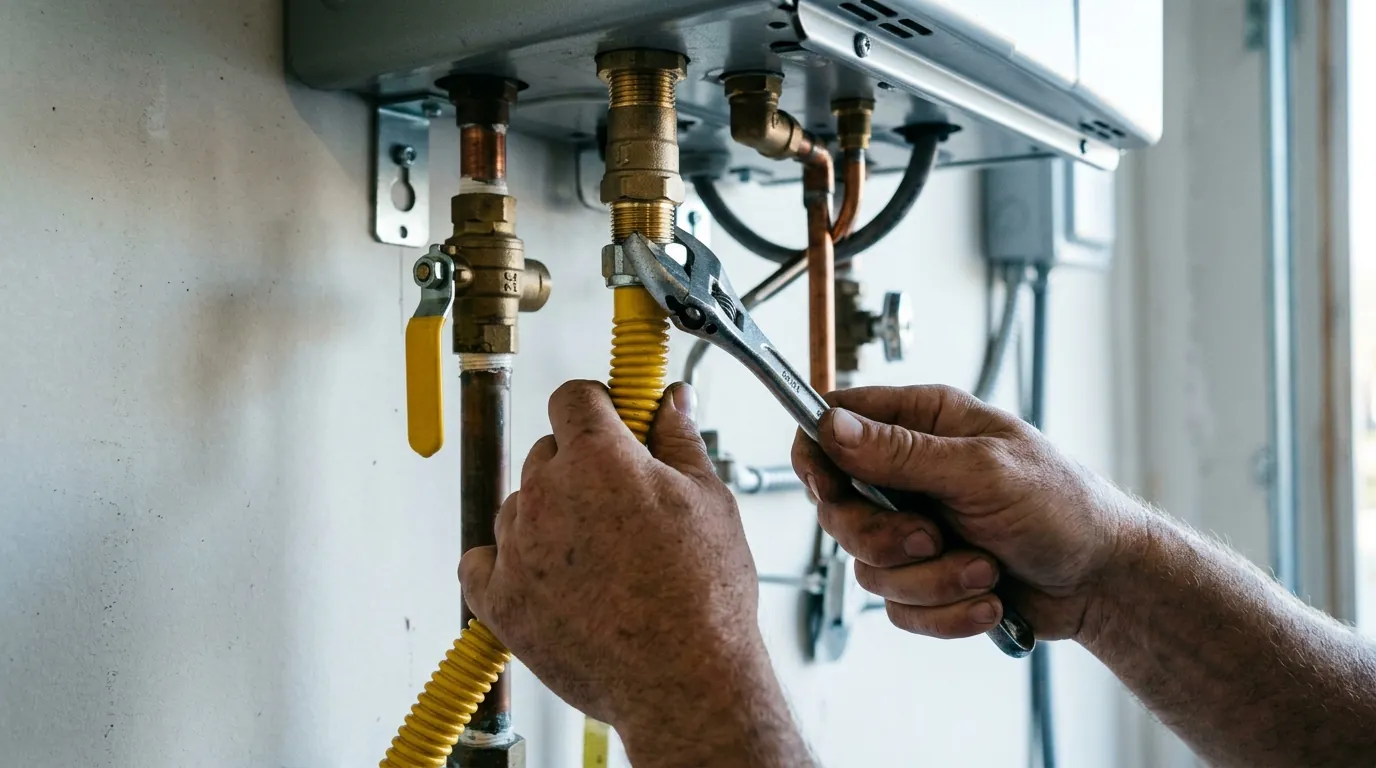
Most Salem water heaters sit in a garage, a utility closet or the crawlspace. A tankless unit mounts on a wall and frees up floor space, which can matter in a tight garage or closet. A crawlspace location deserves a careful look either way, because access for service and the risk of a leak going unnoticed both matter more under the house.
Gas tankless units often need more gas than the old tank did. In some houses that means upsizing the gas line from the meter or adding a new run, which is real work and part of the price. They also need their own venting, and the old metal flue from a tank usually cannot be reused. Electric tankless units can need a substantial electrical service, which some older homes in Grant or Highland do not have without upgrades.
- Measure the space and note how the current heater is vented
- Check whether the gas meter and line can carry a larger load
- Consider how easy the location will be to reach for yearly service
- Ask whether a permit is required for the swap, and plan for it
What soft North Santiam water means for upkeep
Salem city water comes from the North Santiam River and is naturally soft, so most Salem homes do not need a water softener. That is good news for both types of heater. Hard water leaves mineral scale on tank bottoms and inside tankless heat exchangers, and Salem homes see much less of it than homes in hard-water regions.
Soft water does not mean zero maintenance. A tank still benefits from an occasional flush to clear sediment, and its anode rod, the sacrificial metal rod that protects the steel, wears down over time. A tankless unit still needs periodic descaling and a check of its inlet filter, burner and venting. Tankless service in Salem typically runs $219 to $389. Homes on private wells outside the city can have very different water, so test before you assume Salem conditions apply.
Matching the heater to how your household uses water
A household of two that rarely runs hot water at the same time can be well served by either type. A large family that runs back-to-back showers every morning may like never running out with tankless, or may prefer a larger tank that handles several fixtures at once without worrying about flow limits. Think about your busiest half hour, not your average day.
Upfront cost is the clearest difference. A tank costs less to install, while a tankless unit costs more and may save energy over its life by not heating stored water. A heat pump water heater is a third option worth comparing, especially if the current heater is electric, and it typically runs $3,290 to $5,890 in Salem before any incentive.
Tankless units also take a moment to deliver hot water at the tap, and very small flows, like rinsing a cup, may not trigger the burner. Some people do not notice; others find it annoying. With a tank, the hot water is already waiting, so the delay is only the time it takes to travel through the pipe. In a long ranch house with the heater at one end, that travel time is similar either way.
Questions to settle before you replace a water heater
If your current tank is leaking, the decision may be made for you by time, and a like-for-like tank gets hot water back the same day. If the old heater is still working, you have room to compare. Note the age and size on the label, where the unit sits, how it is vented, and whether it runs on gas or electricity. Those details shape every quote.
Ask for a written breakdown of what each option includes, such as gas line work, venting, expansion tank, drain pan, and permit. When a permit is required, we pull it. If you want to talk through tank, tankless and heat pump options for your specific house, call First Choice Rooter and a plumber will look at the space before giving a price. The final price is given before work starts, after the plumber sees the job.
- Tanks cost less to install and are the fastest like-for-like swap in most Salem homes.
- Tankless units deliver continuous hot water but are limited by flow rate and often need gas line and venting work.
- Soft North Santiam water means less scale, but both types still need periodic service.
- Size the choice to your busiest half hour of hot water use, not your average day.