Why water collects under Salem homes
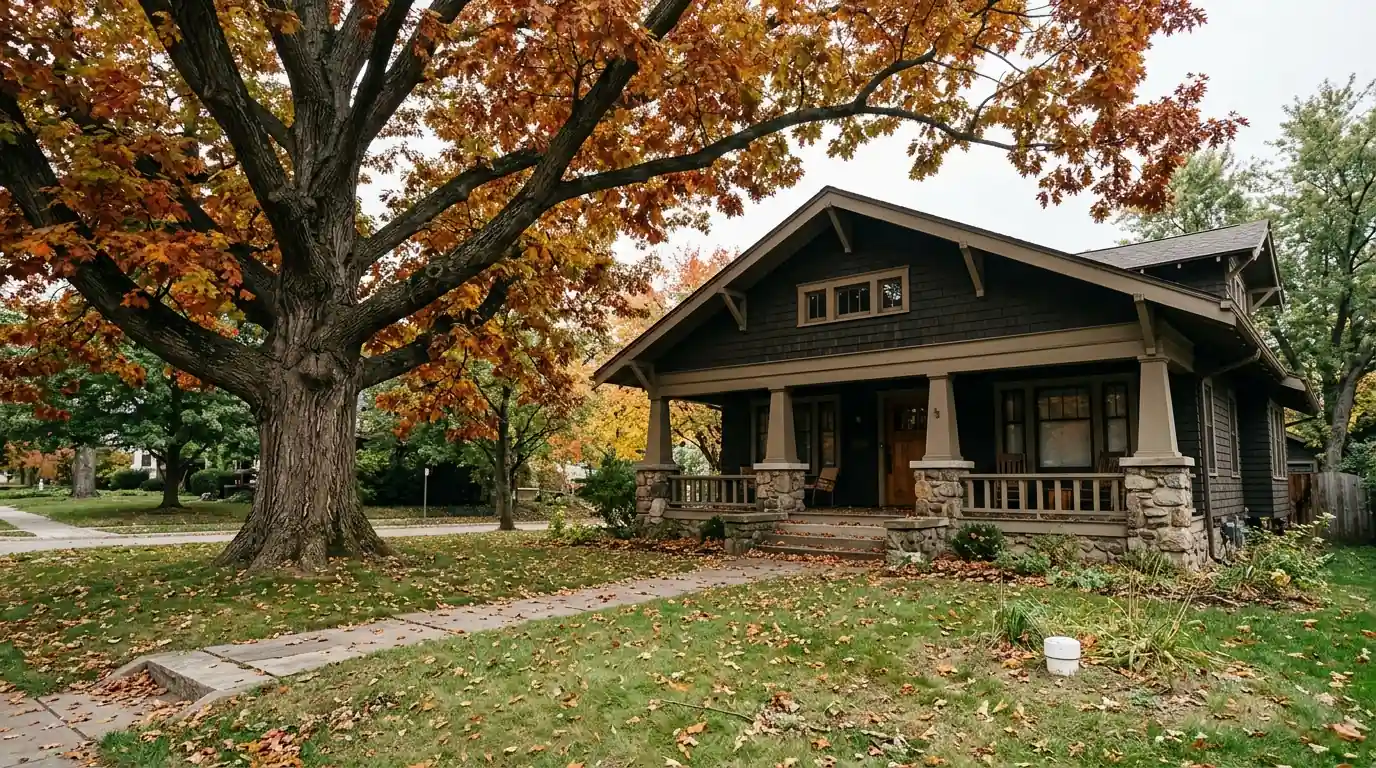
Most Salem homes sit over a crawlspace, not a slab. That open space under the floor is the lowest point around the foundation, and from roughly October to May the valley gets long, soaking rains rather than short bursts. The ground fills up, the water table rises, and water starts moving toward the lowest place it can find, which is often the dirt floor of your crawlspace.
Some water comes from below as rising groundwater. Some comes from the sides, when downspouts dump next to the foundation or the yard slopes toward the house. Clogged foundation drains and storm lines add to it, since rain that should have been carried away ends up soaking the soil right against the footing.
A little dampness under a vapor barrier is common in a Salem winter. Standing water that stays for days or weeks is a different problem, and that is where a sump pump comes in. Water sitting under the house raises the humidity in the whole crawlspace, softens insulation, invites mold on the joists, and keeps pipes and the base of any water heater down there wet all season.
How a sump pump moves water out
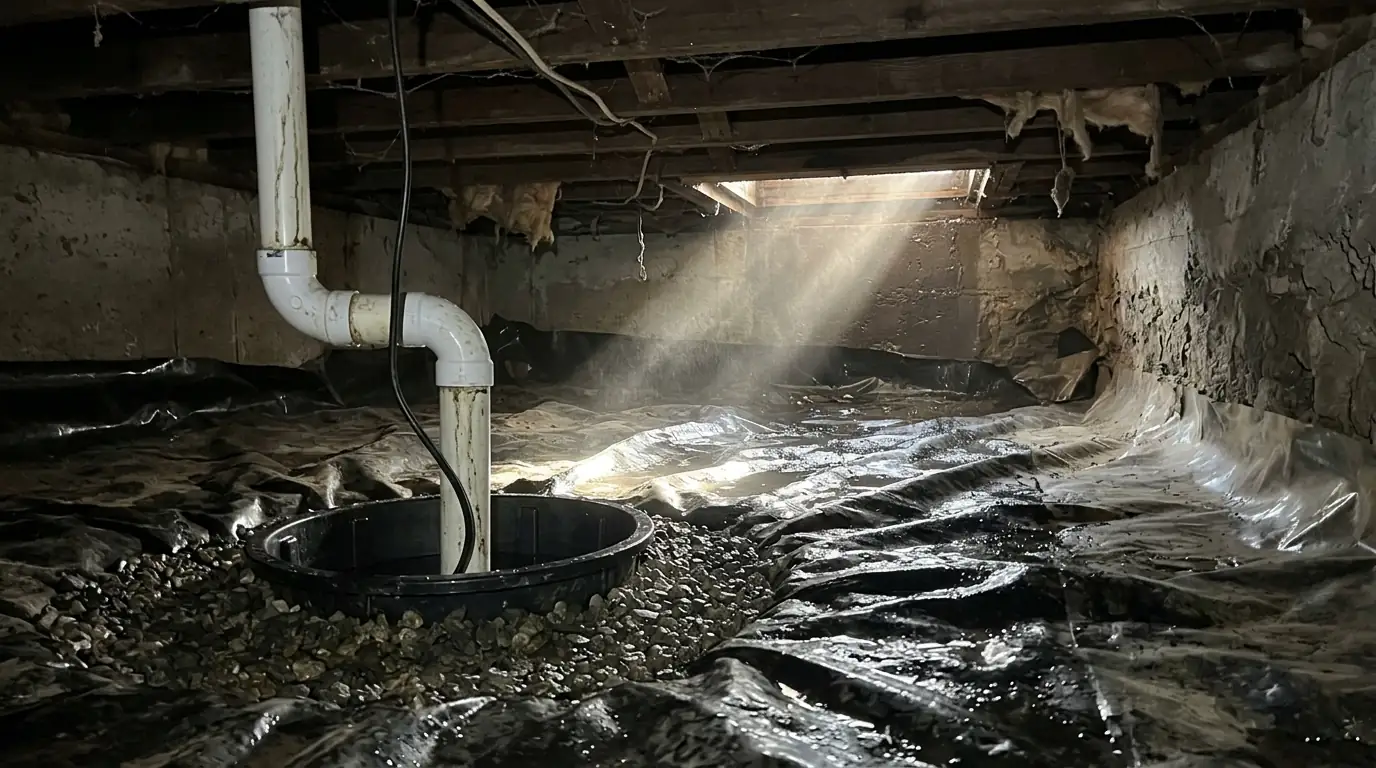
A sump pump sits in a pit, called a sump basin, dug at the low point of the crawlspace. Water drains into the basin through the soil or through perforated drain pipe laid around the crawlspace. As the water rises, a float switch lifts and turns the pump on. The pump pushes the water up through a discharge pipe and out of the house, and the float drops and shuts it off when the basin is low.
A check valve on the discharge pipe keeps the water in the pipe from falling back into the basin after the pump stops. Without one, the pump ends up moving the same water over and over, cycling more often and wearing out sooner. Most crawlspace pumps are submersible units that sit fully in the basin, with a sealed motor that stays cool in the water, and a lid over the basin keeps out debris, small animals and some of the moisture.
Where the discharge goes matters as much as the pump. Water dumped right next to the foundation simply soaks back into the soil and returns to the basin. The discharge needs to end well away from the house, at a spot that drains away. In many Salem yards that means a buried line to a storm connection or a dispersal area downhill, rather than a hose laid across the lawn that gets kicked loose or runs back toward the foundation.
Signs your crawlspace has a water problem
Few people go into their crawlspace often, so trouble can build for a while before anyone notices. These clues show up inside the house or around the foundation and are worth a look with a flashlight, especially after a stretch of heavy rain. Any one of them alone may be minor, but two or three together usually mean water is staying under the floor.
A crawlspace that is bone dry in August can look very different in January, so the best time to look is during or just after a long rain, not on a sunny afternoon. If you would rather not crawl in yourself, open the access hatch and shine a light across the floor. Reflections off standing water or a sagging vapor barrier are easy to spot from the opening.
- A musty smell in the house that gets stronger in winter
- Standing water or soaked soil under the vapor barrier
- A sump pump that runs constantly or never seems to run
- Mold on joists or insulation hanging down from the floor
- Water stains or rust on crawlspace pipes and the water heater base
- Downspouts emptying right beside the foundation
Why sump pumps fail when you need them
Most failures come down to a few causes. The float switch can get stuck against the side of the basin or tangled in its own cord, so the pump never turns on. Debris and silt in the basin can clog the intake. The check valve can wear out and let water fall back. And pumps simply wear out from years of cycling through wet winters.
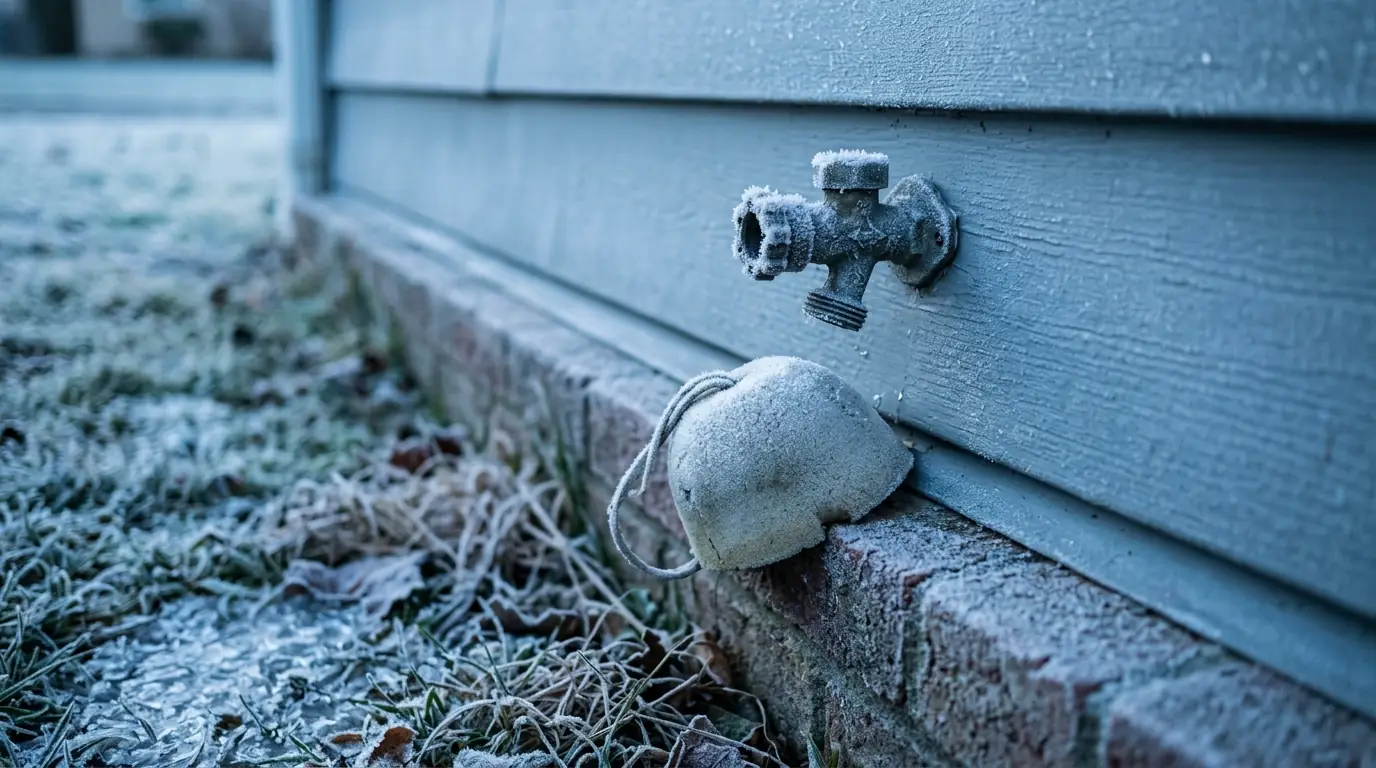
Power is the other weak point. Heavy winter storms bring wind and outages, and a pump that runs on household power stops the moment the lights go out, often right when the ground is at its wettest. Some homes add a battery backup pump in the same basin for that reason. A discharge line that freezes in a cold snap can also stop the pump from moving water.
In Salem, sump pump repairs typically run $219 to $489, and a new pump typically runs $689 to $1,690, depending on the pump, the basin, and how the discharge is routed. The final price is given before work starts, after the plumber sees the job. A new pump is often the better value when the old one is many winters old and has already needed repairs.
The rest of the drainage picture
A sump pump handles water that reaches the crawlspace. The less water reaches it, the easier its job. Downspouts should connect to storm lines or discharge well away from the house, and those storm lines need to be clear. Leaves, fir needles and roots clog them over time, and a blocked storm line can send roof water straight back into the soil next to the foundation.
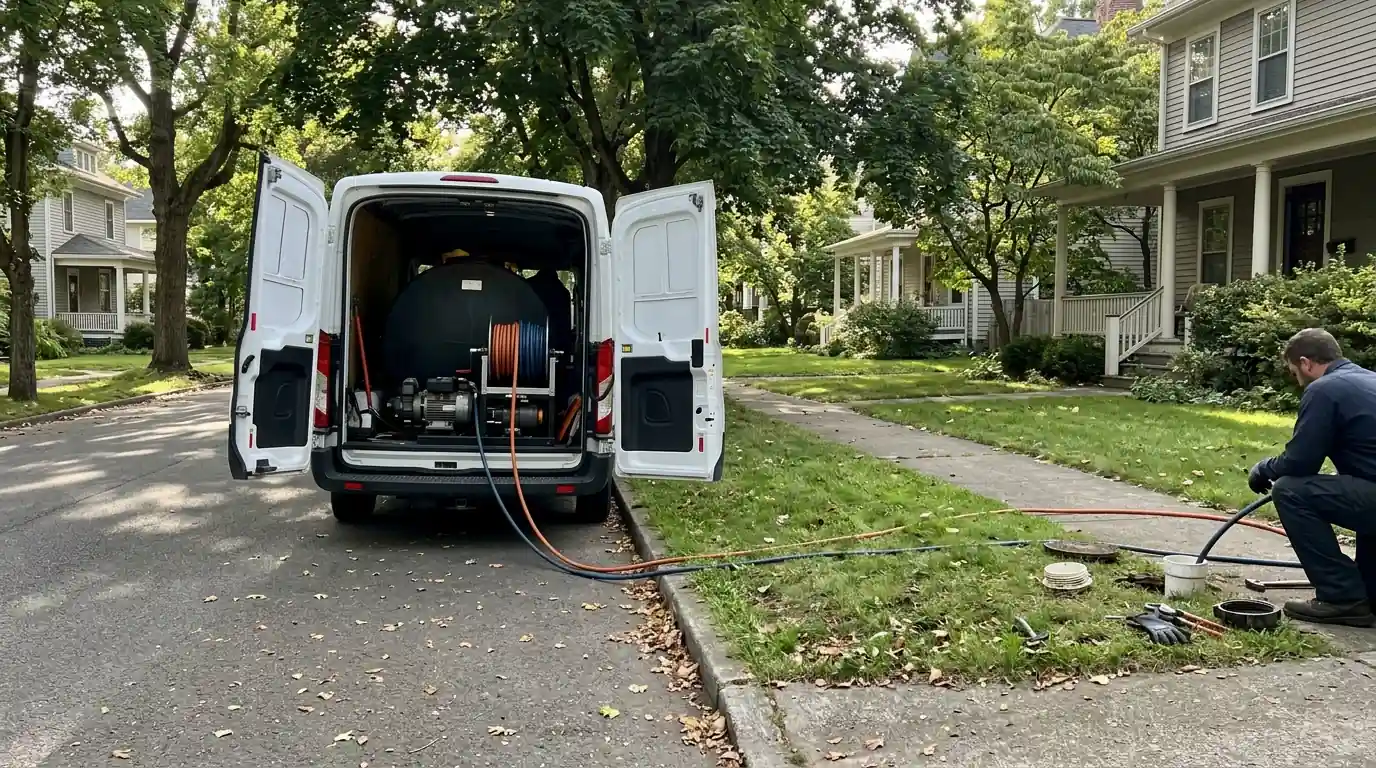
Storm drain and downspout line cleaning in Salem typically runs $249 to $529. While you are under the house, look at the plumbing too. Damp crawlspaces are hard on pipes, and supply lines, drain lines and water heater connections can corrode faster in standing water. Crawlspace plumbing repairs typically run $319 to $1,490 in Salem.
A simple pre-season sump pump check
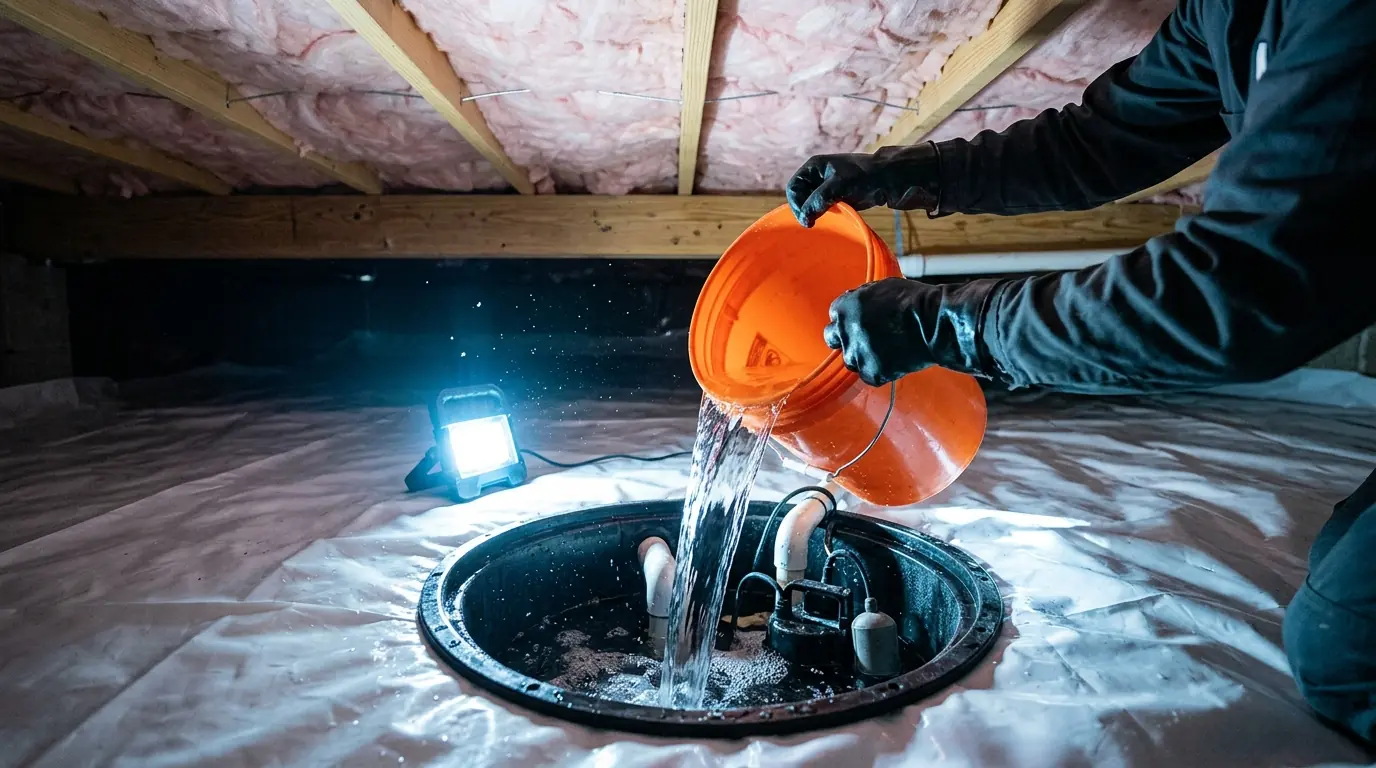
Before the rains settle in, take a flashlight into the crawlspace. Pour a bucket of water into the sump basin and watch the pump turn on, empty the basin and shut off. Check that the float moves freely, the basin is clear of silt, and the discharge pipe is solid and carries water well away from the foundation. Listen for grinding or rattling, which can mean worn bearings.
Walk the outside of the house during the first big rain and watch where the water goes. Make sure downspouts are connected and not overflowing. If the pump fails the bucket test, runs nonstop, or the crawlspace still holds water after a storm, call First Choice Rooter, and a plumber will check the pump, the basin and the drain lines before the wettest months arrive.
- Soaking winter rain and rising groundwater push water into Salem crawlspaces from October to May.
- A sump pump only works if the float, check valve and discharge line all work, and the discharge ends well away from the house.
- Clear downspouts and storm lines reduce how much water reaches the crawlspace in the first place.
- Test the pump with a bucket of water before the rainy season and after any long power outage.