One clog or the whole system
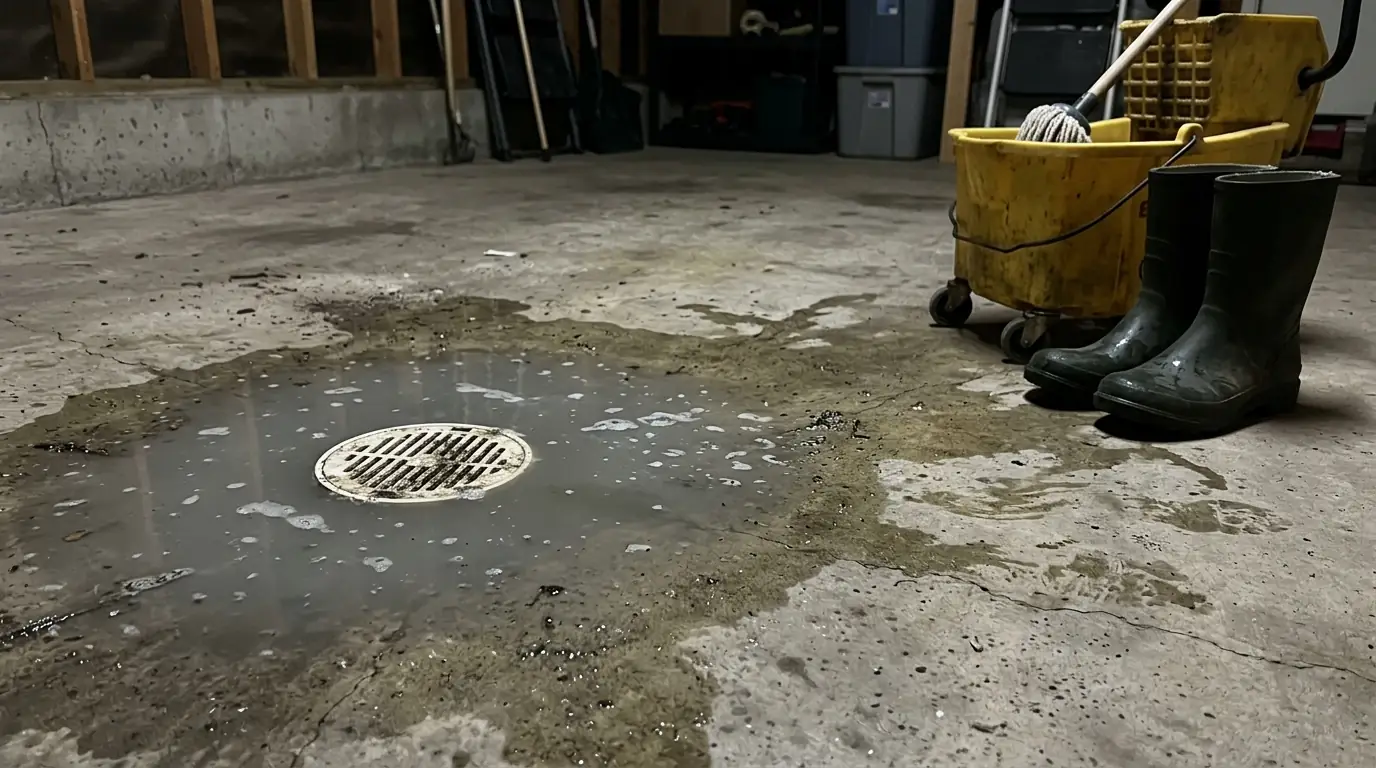
Every drain in your house feeds into one main line that leaves the building and runs to the city sewer. Branch drains from sinks, tubs and toilets join that main line along the way. When one branch clogs, only that fixture slows down. When the main line clogs, water from every fixture has nowhere to go, and it backs up to the lowest opening in the house.
That is the key clue, and it is easy to check. If only the bathroom sink is slow and everything else drains normally, the problem is probably in that sink drain or trap. If the toilet, tub and floor drain all act up together, especially after heavy water use, the main line is the likely problem.
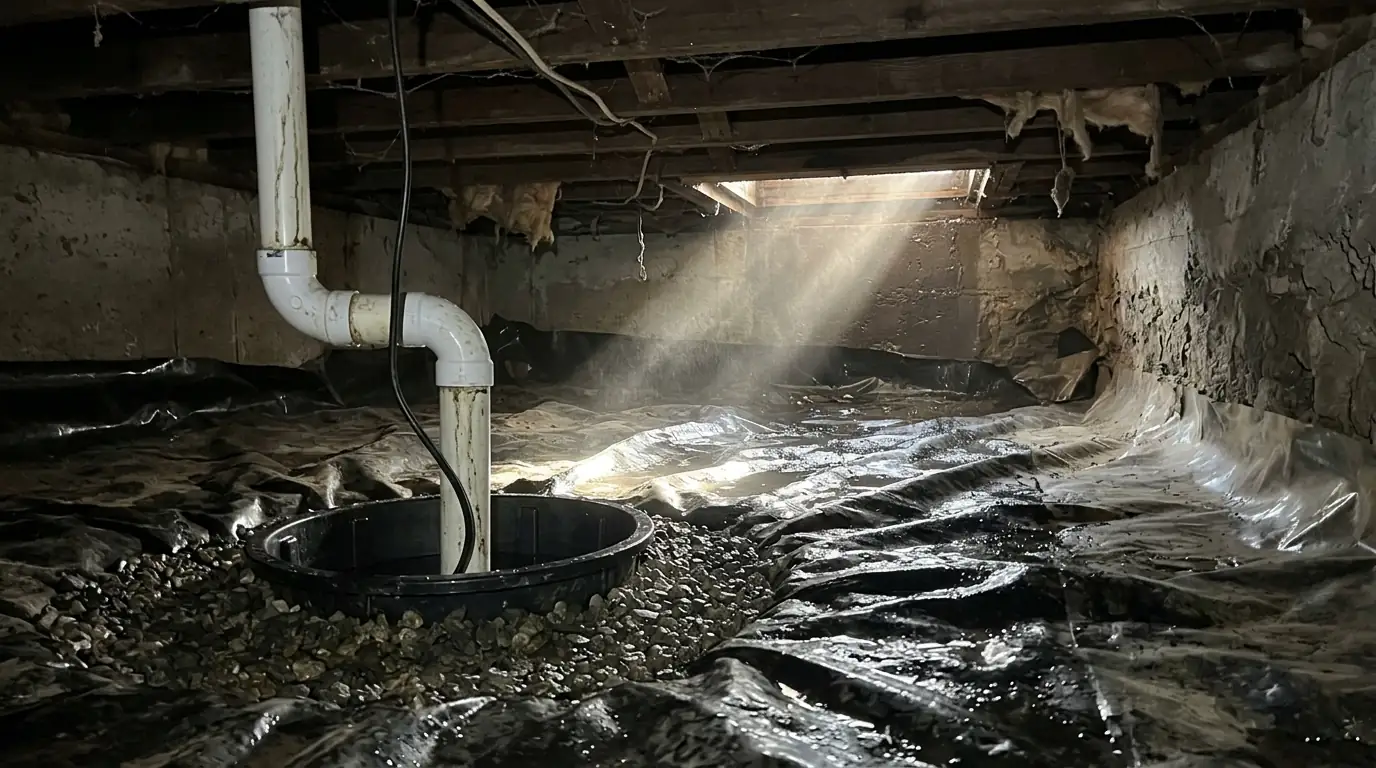
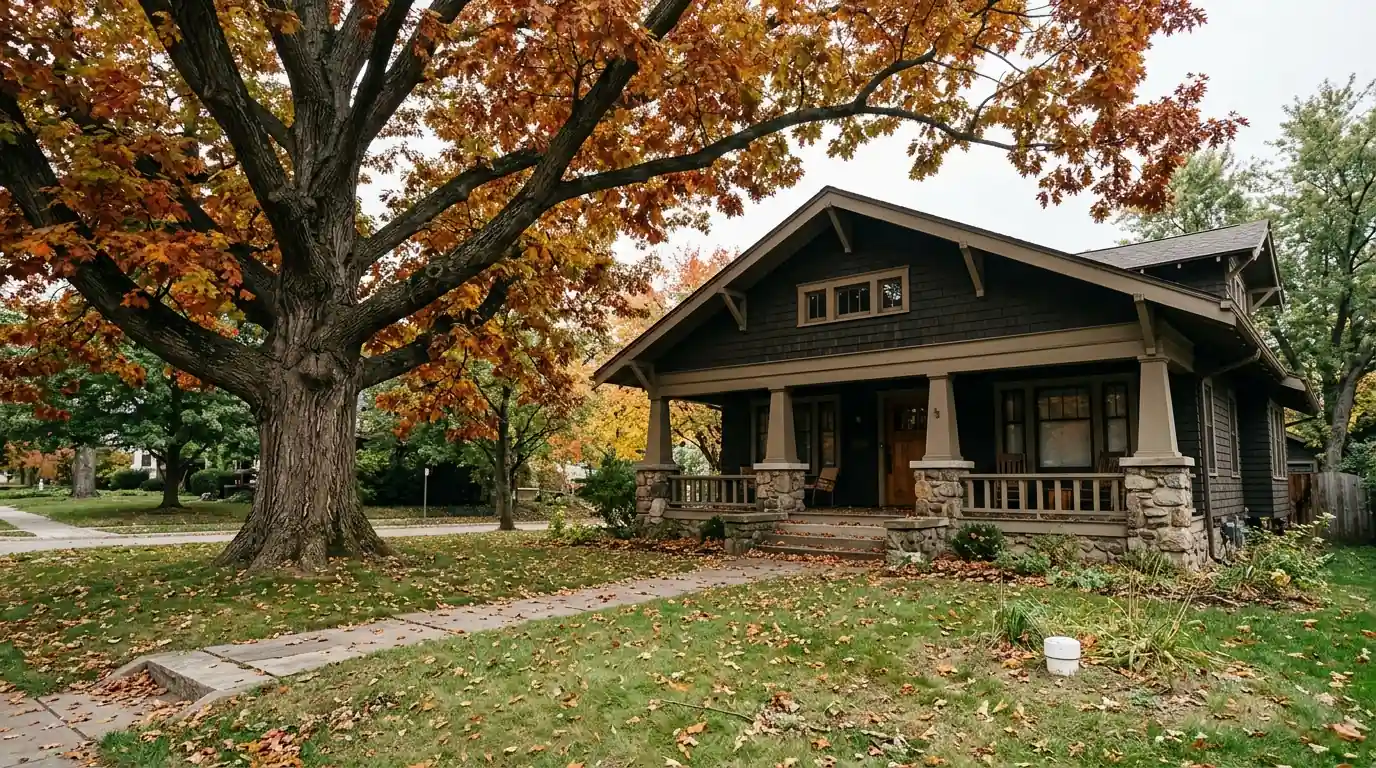
In most Salem homes, the main line runs from the crawlspace out under the front yard, and in older neighborhoods it is often clay pipe under big trees. Because most houses here sit over a crawlspace rather than a basement, the lowest drain is often a ground-floor tub, shower or laundry standpipe, and that is where a main line backup usually shows itself first.
Warning signs that point to the main line
Main line problems tend to show up as a pattern across several fixtures. You may notice one or two of these signs for a while before a full backup happens, and catching them early gives you time to have the line cleared during the day rather than overnight, before it turns into an emergency.
Pay attention to timing as well. A backup that shows up every fall or every spring often follows root growth, while one that appears during a long stretch of heavy rain can mean groundwater is getting into a damaged line. A backup right after a holiday dinner or a house full of guests often comes down to grease and volume pushing a narrowed pipe past its limit.
- Water rises in the tub or shower when you flush a toilet
- Toilets gurgle or bubble when the washing machine drains
- The lowest drain in the house fills with dirty water
- Several drains slow down at once, not one at a time
- Sewage smell near floor drains, the cleanout, or in the crawlspace
- Water seeping from the cleanout cap after heavy use
What usually causes a main line backup in Salem
Tree roots are the most common cause in older Salem neighborhoods like Grant, Highland and Northeast Salem, where clay or concrete laterals sit under mature maples, oaks and firs. Roots enter at the joints and catch paper and debris until the line closes. Grease that cools and hardens inside the line is another frequent cause, along with wipes and other items that do not break down.
Structural problems also play a role. An offset joint, a cracked section, or a sag in the line gives waste a place to settle. In winter, soaking rain and rising groundwater can find their way into a damaged lateral through open joints, adding water to a line that is already struggling.
Sometimes the problem is in the public sewer main, not your lateral. A camera inspection helps tell the two apart. If the camera reaches the connection at the street and finds your lateral clear while water is still backing up, the blockage is likely past your property line, and that is information you can pass along to the City.
The first hour when sewage comes up
Stop using water right away. Do not flush toilets, run the dishwasher or washing machine, or take showers, because every gallon you send down has to go somewhere, and it will come up the lowest drain. Tell everyone in the house. If water is backing up near electrical outlets or appliances, keep clear of it.
Avoid chemical drain cleaners. They rarely clear a main line clog, they can damage older pipes, and they make the job more dangerous for the plumber who has to open the line. Open windows for ventilation and keep children and pets away from the affected area. Sewage carries bacteria, so wear gloves and boots if you have to move items out of the way.
If you know where your cleanout is, note it for the plumber, but do not open it yourself if the line is full, since sewage can spill out under pressure. Take a few photos of where the water came up and when, and note which fixtures were running just before. Those details help the plumber narrow down the cause faster once the line is open.
What the plumber does to clear and diagnose it
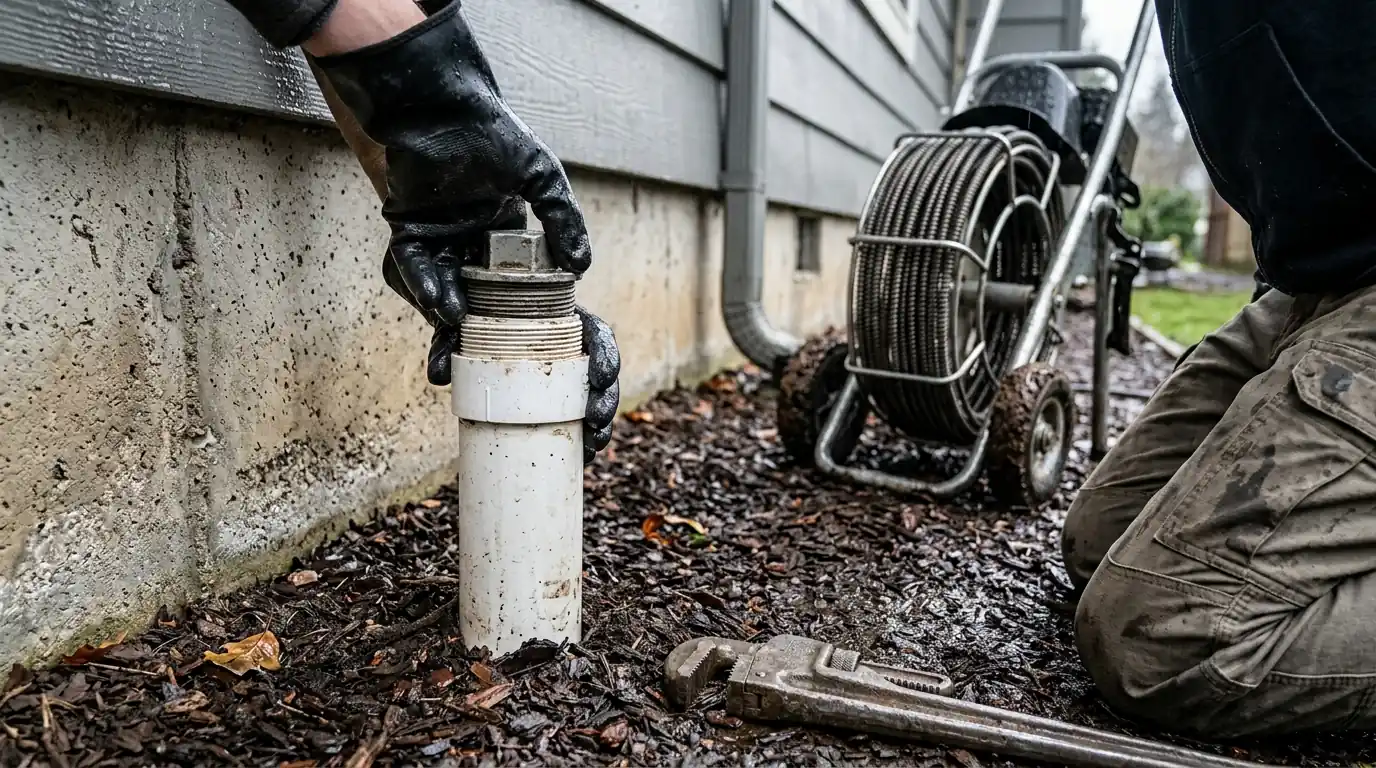
Our plumber opens the main line at the cleanout and runs a cable machine sized for the pipe toward the street, cutting through roots or debris until the line flows. If the house has no cleanout, the plumber may pull a toilet to reach the line, which is one reason a cleanout is worth adding later. Emergency sewer backup clearing in Salem typically runs $329 to $689.
Once the line is open, a camera inspection shows why it clogged. The footage reveals roots, breaks, offsets or sags, and how far each problem is from the house. A main line cleared through a cleanout during normal hours typically runs $289 to $549, and the final price is given before work starts, after the plumber sees the job.
Cleaning up and preventing the next backup
After the line is clear, clean affected areas with hot soapy water and a disinfectant, and dry everything quickly. Salem crawlspaces stay damp in the rainy season, so if sewage reached the crawlspace, getting it cleaned and dried matters more than it might in a drier climate. Wash any soft items that got wet or throw them away.
To prevent a repeat, keep grease and wipes out of your drains, keep the cleanout accessible, and ask about root cutting on a schedule if roots caused the backup. If the camera showed broken pipe, plan the repair before the next rainy season. When the drains start acting up again, call First Choice Rooter at (971) 326-9414, since we answer 24/7.
- Several drains slowing or backing up together usually means the main sewer line, not a single branch.
- Stop using water the moment you see sewage come up, and skip chemical drain cleaners.
- Roots in old clay laterals and hardened grease are the most common Salem causes.
- A camera look after clearing shows whether the line needs a repair to prevent the next backup.